Cha Plue
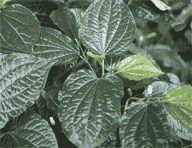
Other local names are Chaa Plue, Plue (Chantaburi), Plue Ling Nok (Chiang Mai), Pak Plue Nok, Pak Pu Nok, Plue Ling (North), Nom Wa (South), Pak Nang Lerk, Pak Elerd (Northeast)
Read more articles in  Thai Cuisine
Som Tum |
Native Vegetables :
Krajeabmorn,Okra |
Kratin Thai (horse tamarind) |
Red Ginger |
Kra dom |
Kra don |
Ore Larm (Thai northeastern food, Loei province) |
Ivy Gourd(Tum Lung) |
Red Aroid (Buk Daeng) |
Cha Plue |
Tiew Kao |
The Royal Palace Recipes :
Background of The Royal Palace Recipes |
Miang Lao |
Mee Krob (Cripy Sweet and Sour rice noodles) |
Sa-Khu Sai Pla (Flour dumpling filled with minced fish) |
Pla
Tu Tom Khem Nua Kaeng Kang Puai (Salty
mackerel soup; hard meat but soft bones) |
Satay Lue (Barbecues) |
Nam Prik Luk Nam Leab (Nam Leab Dip) |
Yum Tua Pu (Winged pea salad) |
Nam Prik Ma Kham Sod Pak (Tamarind Chili dip with Salads) |
Kaeng Ped Sod Prik Thai Orn (Duck Curry with young green pepper) |
Saeng Wha Kung (Like a Prawn) |
Nam Prik Pla Tu tum (Mackerel Chili dip) |
Kaeng Luang (Yellow Curry) |
Miang Yak |
Khaeng Mu Tapap Nam (Softened Pork Curry) |
Prik Khing Kruang Tod (Fried Curry paste) |
Yum Kai Yang Tao (Chicken salad) |
Ka Pi Kua (Fried Shrimp Paste) |
Khao Ping (Roasted Rice) |
Tod Mun Singapore (Fried Mince-Cake Singaporean style) |
Moo Ob Nam Daeng(Roasted pork in red sweet sauce) |
Kaeng Run Juan (Agitated Beef Curry) |
Pa Naeng Nua (Dried Beef Curry) |
Rume(Pork wrapped in fried egg) |
Lon Pla Ra(Simmered preserved fish) |
Nam Prik Pla Krob(Crispy fish pounded with Chili) |
Nam Prik Ma Prao and Nua Khem Sod (Coconut pounded with chili, served with fresh salted beef.) |
Por Pia Tod (Fried Spring Rolls) |
Prik Khing Tarm Sadej (Stir fried chili paste) |
Nam Prik Ma Dun Pad (Stir fried Garcina Chili paste) |
Kaeng Tai Plah (A spicy curry of sauce prepared from the viscera of fish) |
Yum Ta Wai(Ta Wai Salad) |
Nam Prik Long Rua (Hot chili sauce and sweet pork) |
Kaen Pla Duk (Catfish Curry) |
Khao Tom Kra Ti (Rice boiled in coconut milk) |
 Home
Home